
SUV vs Crossover: Which One Actually Fits Your Life?

Updated: Sep 21
The SUV vs crossover decision looks simple until you start shopping. Both can sit high, carry a family, swallow luggage and project the reassuring image of a vehicle ready for more than the daily commute. On a dealership lot, the difference can feel almost cosmetic.
It is not.
The better question is not, “Which one is more capable?” It is, “How much capability will I actually use—and how much will I pay for every day that I do not use it?”
That is where buyers get trapped. A larger, tougher vehicle can feel safer and more future-proof. A crossover can feel like the compromise. But ownership often reverses those assumptions. The more capable vehicle may be harder to park, thirstier, more expensive to tire and needlessly cumbersome for a life spent almost entirely on pavement. The “softer” crossover may quietly do almost all the work with less friction.
At WhatCarFitsMe, we think the right car is not the one with the most capability. It is the one whose capability most closely matches the workload of your real life.
That matters more than the badge.
Table of Contents
SUV vs Crossover Starts With Construction, Not Styling
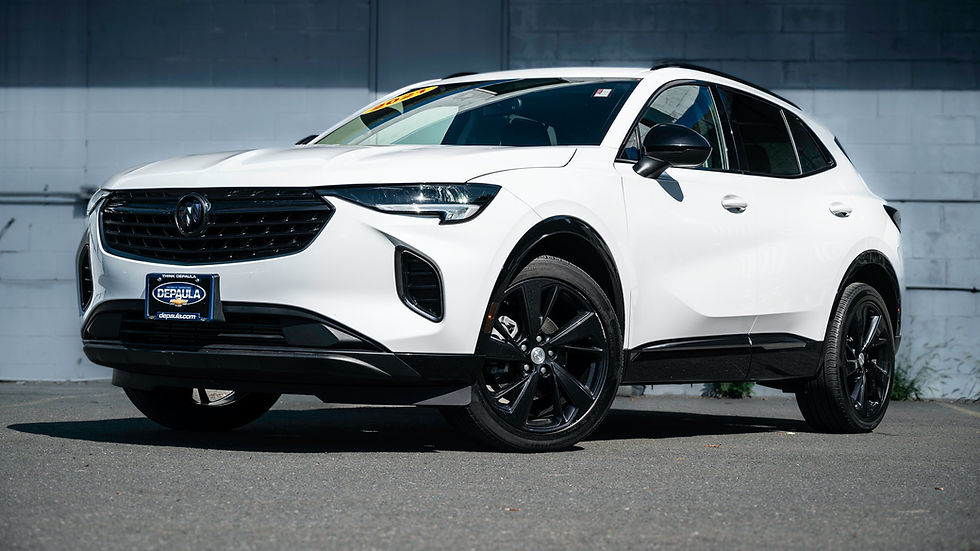
Traditionally, a crossover uses unibody construction, where the body and primary structure are integrated. A traditional SUV uses body-on-frame construction, with a separate body mounted to a load-bearing frame. That remains the clearest technical distinction, even though manufacturers and shoppers often use “SUV” as an umbrella term for both. J.D. Power's explanation of crossover SUVs describes the same fundamental distinction between unibody crossovers and traditional body-on-frame SUVs.
The terminology is blurred enough that NHTSA lists “sport utility vehicles” as a class in its ratings framework without creating a separate crossover category.
That matters because the label is not enough.
Two vehicles can look nearly identical while being engineered around different priorities: one for paved-road comfort and packaging efficiency, another for heavier towing, rougher surfaces and harder loads.
Neither is automatically better. The right one solves the problems you actually have.
The Most Expensive Capability Is the Capability You Never Use
People rarely buy an SUV only for what they do today. They buy for imagined tomorrows.
Maybe you will tow a boat. Maybe you will buy a camper. Maybe you will start exploring difficult trails. Maybe three adults will suddenly occupy the third row every weekend.
Planning ahead is rational. Paying for fantasies is not.
A body-on-frame SUV can be brilliant when meaningful towing, repeated heavy loads, rough roads or genuine off-road use are part of your routine. But if your normal week is school drop-off, a parking garage, a commute, groceries and one airport run, you may be carrying hardware designed for a job you rarely assign it.
Unused capability still has consequences. More mass can mean more fuel or energy consumed. Bigger wheels, tires and body dimensions can raise costs and turn garages or downtown streets into daily friction.
A crossover often wins not because it can do more, but because it wastes less.
When a Crossover Is the More Intelligent Choice
For pavement-first drivers, a crossover often packages the emotional benefits of an SUV into a format that behaves more naturally in everyday life.
You still get the elevated seating position many drivers prefer, a useful hatch-style cargo area, folding seats and available all-wheel drive. But you may also get easier maneuverability, less bulk and a more car-like ride.
The biggest advantage is not a specification. It is fewer small annoyances.
A parent loading child seats every day should care about door opening, seat height and stroller loading before towing capacity. A 15,000-mile-per-year commuter should care about seat comfort, efficiency and noise before low-range gearing. A buyer downsizing from a full-size SUV may value easy entry and manageable dimensions more than maximum cargo volume.
This is where “more vehicle” can become less useful.

When a Traditional SUV Is the Smarter Choice
There are also cases where choosing a crossover for efficiency creates the wrong compromise.
If you tow frequently, especially with substantial loads, the stronger structure, cooling strategy, suspension tuning and drivetrain layout of a traditional SUV may be worth the extra cost. The same applies if you regularly drive terrain that requires greater articulation, robust underbody hardware or true four-wheel-drive capability.
The key is frequency multiplied by severity.
A family towing a travel trailer eight weekends a year is not the same buyer as a family that might rent a small utility trailer once. A property owner driving miles of rutted access roads is not the same as someone taking a maintained gravel road to a vacation rental twice a year.
If an extreme use is frequent and demanding, buy for it.
If it is rare and mild, renting or choosing an occasional-service solution can be cheaper than carrying excess vehicle every day for years.
Safety: Bigger Matters, but It Is Not the Whole Answer
Vehicle size and weight matter in crashes. IIHS notes that, all else equal, larger and heavier vehicles generally protect occupants better because of longer crush structures and collision physics. It also notes that very large vehicles can increase risk to other road users.
The answer is not “buy the largest SUV you can afford.” Compare safety within the size category that already fits your life. Crashworthiness, headlights, automatic emergency braking, visibility, tires and child-seat usability matter too.
A family carrying six or seven people should not downsize into compromised seating. But a five-seat household does not automatically become safer by buying the biggest vehicle available.
Safety is a system. Size is one input.
SUV vs Crossover for Families: Measure the Messy Stuff
Families are especially vulnerable to brochure logic. Cargo volume sounds objective; real family cargo is not.
A stroller is not liquid volume. A rear-facing child seat does not care about a cargo specification. A sports bag, dog crate and two carry-ons do not arrange themselves like laboratory blocks.
Test the awkward objects. Can the stroller load easily? Can the front passenger sit comfortably with a rear-facing seat installed? With the third row up, is there still enough room for a normal trip?
A three-row crossover may suit a family of five that occasionally carries grandparents. A full-size SUV may fit a family of six that routinely travels with luggage or a trailer. A compact crossover may be enough for a couple with one child.
Buy for your mess, not somebody else’s image of family life.
The Budget Test Most Buyers Skip
Purchase price is only the first layer of fit.
Two vehicles can fit the same monthly-payment target and fit your finances very differently.
A larger SUV may bring more expensive tires, higher fuel use, larger brake components and higher insurance.
A premium crossover may introduce different costs through sophisticated suspension, large wheels, turbocharged powertrains and dense electronics.
That is why we separate affordability from financial fit.
Affordability asks, “Can I make the payment?”
Financial fit asks, “Will this still feel comfortable after fuel, insurance, maintenance, tires, depreciation and unexpected repairs?”
A car that consumes too much discretionary budget eventually feels wrong even if it felt perfect on delivery day.
The right vehicle should leave room for your life.
Used SUV vs Used Crossover: Mileage Needs Context
A 70,000-mile vehicle with documented maintenance and a mature powertrain can be a better purchase than a
45,000-mile vehicle with deferred service, accident history or an unresolved first-year redesign.
We think about mileage tolerance by category rather than one universal cutoff. Mainstream, durability-oriented vehicles with conservative powertrains can justify higher mileage when condition and records support it. Premium, performance-oriented or highly complex vehicles deserve a narrower risk tolerance because air suspension, adaptive systems, high-output turbocharging and advanced driveline hardware create more possible cost centers as they age.
That does not mean “luxury is unreliable.” It means complexity changes the financial consequence of mileage.
We also prefer proven production years when two otherwise similar used vehicles exist. A later year in a mature generation usually gives buyers more real-world evidence than the first year of a major redesign.
High-mileage drivers should place extra weight on efficiency, seat comfort, tire wear and service frequency. Low-mileage drivers may accept a less efficient SUV, but low annual mileage does not erase age-related maintenance or depreciation.
The odometer matters. The story behind it matters more.
Reliability Is a Match Between Risk and Tolerance
Shoppers often carry a mental list of “reliable brands” and “unreliable brands.” That shortcut can help at the start and mislead at the finish.
Reliability also depends on design maturity, powertrain complexity, maintenance quality, previous use and what the owner can comfortably absorb.
A simple powertrain with conventional suspension creates a different long-term ownership profile from a high-output turbocharged vehicle with adaptive dampers, air suspension, large low-profile tires and complex four-wheel-drive hardware. Neither is automatically the better purchase.
A budget-conscious buyer keeping a vehicle for eight years should usually give more weight to mechanical simplicity, service history and a mature production year. A luxury buyer replacing a vehicle every three years under warranty can rationally prioritize refinement and technology.
Reliability is not one score. It is a fit between risk and tolerance.
The Comparison Matrix: Choose the Workload First
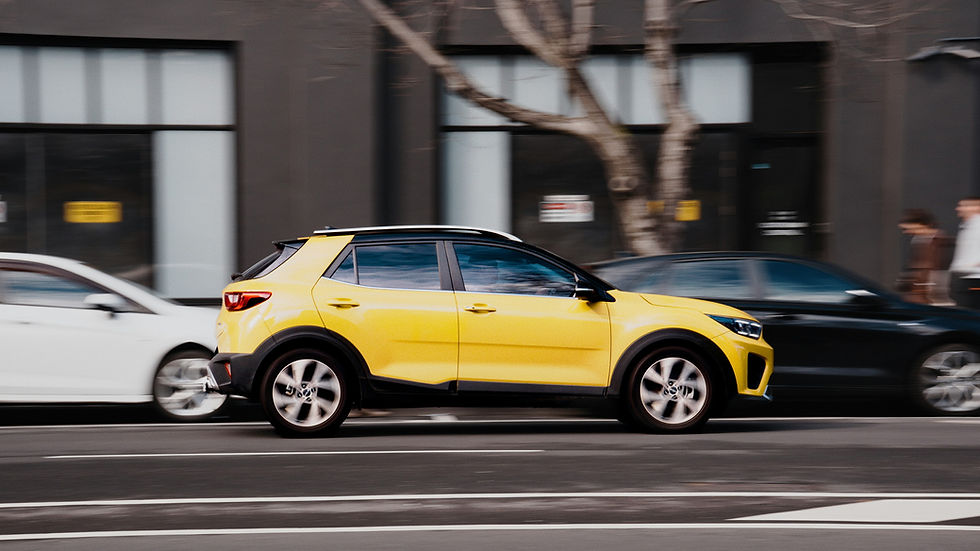
| Buying path | Best fit | What you gain | What you give up | WhatCarFitsMe view | | --- | --- | --- | --- | --- | | Compact / midsize crossover | Commuters, couples, small families, urban/suburban use | Easy maneuverability, flexible cargo, efficient daily use | Less towing and extreme-terrain capability | Default starting point for most pavement-first buyers | | Three-row crossover | Families needing occasional 6–7 passenger flexibility | Better space efficiency, easier daily driving than a full-size SUV | Third-row cargo can be limited | Strong fit when third-row use is real but not heavy-duty | | Body-on-frame midsize SUV | Towing, rough roads, outdoor use | Greater capability under demanding loads | More weight and often higher running costs | Worth it when hard use is frequent, not aspirational | | Full-size SUV | Large families, repeated towing, people-plus-luggage use | Maximum passenger/cargo capability and road presence | Cost, size, parking friction, consumption | Excellent when genuinely needed; excessive when bought for “just in case” | | Premium crossover | Luxury buyers prioritizing comfort and ease | Refinement, technology, manageable footprint | More complexity and expensive options | Best when luxury means reduced friction, not maximum size |
The WhatCarFitsMe Method: Match the Vehicle to the Repeated Day
Most car-shopping tools begin with the vehicle.
We begin with the person.
We want to know how many people are in the car on a normal Tuesday, not Thanksgiving. We care about the parking space you use five days a week, not the mountain road you might drive once. We care about annual mileage, commute type, cargo shape, climate, budget ceiling, maintenance tolerance and desired ownership length.
Then we look at vehicle type.
That same life-first principle sits behind our broader approach to finding the best car for you: understand the recurring use case first, then narrow the vehicle market.
That prevents one dramatic “what if” from distorting the entire purchase and protects against one of the most common mistakes in utility-vehicle shopping: overbuying.
Five Questions That Usually Reveal the Answer
What is the hardest job the vehicle will perform at least monthly? Frequent towing, rough access roads or many passengers with luggage push the answer toward a traditional SUV. Groceries, commuting and a stroller usually do not.
How much of your driving is ordinary pavement? If 99 percent of your miles are paved, optimize for the 99 percent.
Does your budget cover ownership or only the payment? The wrong vehicle often reveals itself later through fuel, tires, insurance and repairs.
Which compromise bothers you most? Low seating, body roll, parking stress, noise and cramped third rows affect people differently.
Are you solving a need or buying an identity? Emotional satisfaction matters. The mistake is disguising it as necessity.
Clarity gives you permission to choose either one without inventing a justification.
The Best SUV vs Crossover Decision Is Usually Less Dramatic
The car industry encourages escalation: more power, more rows, more towing, more ground clearance, more presence.
Good ownership is usually quieter.
It is the car that starts every morning, fits your garage, carries the people you actually carry, handles the weather you actually face, costs what you expected and does not make you wish you had bought one size smaller.
For many people, that will be a crossover. For others, a traditional SUV is not excess at all; it is the correct tool.
The point is not to declare a winner.
The point is to stop buying category labels and start buying the workload.
Find the Vehicle That Fits the Life You Already Have
If you are stuck in the SUV vs crossover debate, do not begin with a badge, body style or dealership aisle.
Begin with your week.
WhatCarFitsMe is designed to translate the messy reality of your life—budget, mileage, passengers, cargo, commute, comfort preferences, reliability tolerance and ownership horizon—into vehicle matches that make sense beyond the test drive.
You do not need the vehicle with the most capability.
You need the one whose capability you will actually use.
Try WhatCarFitsMe and find the SUV vs crossover fit that makes your real life easier, not just your driveway more impressive.
FAQs
What is the difference between an SUV and a crossover?
The traditional distinction is construction. A crossover normally uses unibody construction, where the body and structural platform work as one integrated structure. A traditional SUV generally uses body-on-frame construction, where the body sits on a separate frame. In everyday marketing, however, the word “SUV” is frequently used for both, so shoppers should look beyond the label and evaluate the vehicle’s actual engineering and capabilities.
Is an SUV or crossover better for a family?
Neither is automatically better. For many families, a crossover provides the best balance of passenger space, cargo flexibility, manageable dimensions and everyday efficiency. A larger traditional SUV becomes more compelling when a family regularly carries six or seven people, needs substantial luggage space while every seat is occupied, tows frequently or encounters demanding road conditions.
Are SUVs safer than crossovers?
Larger and heavier vehicles generally offer an occupant-protection advantage in collisions, but size alone does not determine whether one vehicle is the safer choice. Crash-test performance, braking technology, headlights, visibility, tires, child-seat compatibility and driver-assistance systems all matter. Compare safety performance among vehicles that already meet your practical size requirements rather than assuming the largest option is automatically best.
Is a crossover cheaper to own than an SUV?
It often can be, particularly when compared with a larger body-on-frame SUV. Crossovers are typically optimized for everyday road use and may require less fuel while using smaller tires and occupying less physical space. However, trim level and mechanical complexity matter. A highly equipped premium crossover can cost more to maintain than a simpler traditional SUV, so total ownership cost should be evaluated vehicle by vehicle.
Should I buy an SUV if I never tow or go off-road?
Not necessarily. If most of your driving consists of commuting, family transportation, errands and highway trips, a crossover may provide nearly everything you value about an SUV without requiring you to carry heavy-duty capability you rarely use. A traditional SUV can still be an emotional preference, but that is different from a practical requirement.
Do crossovers last as long as traditional SUVs?
Construction type alone does not determine lifespan. Maintenance history, powertrain design, engineering maturity, driving conditions, previous ownership and mechanical complexity are more useful indicators. A well-maintained crossover with a proven powertrain can be a better long-term purchase than a poorly maintained body-on-frame SUV, and vice versa.


