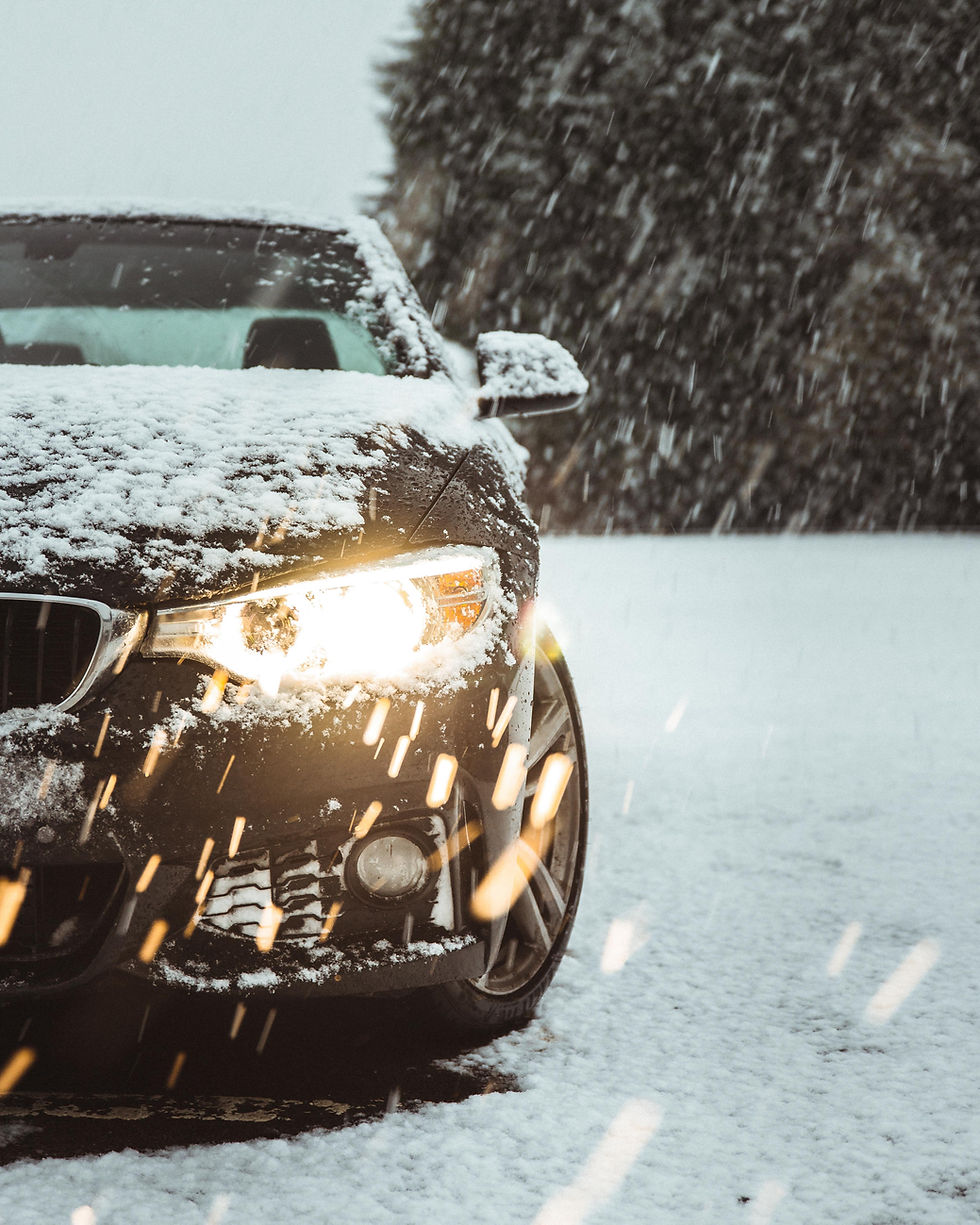
Choosing the Right Parking Spot for Your Car

Choosing the right parking spot can feel like the least interesting part of owning a car—until the wrong space leaves you with a damaged wheel, a scraped door, a stolen bag, an overheated cabin, an inaccessible charging station, or a vehicle that simply feels too large for your everyday life.
We tend to imagine car ownership through motion. We picture the morning commute, the family road trip, the quiet acceleration onto an open highway, or the moment we arrive somewhere important. Yet most privately owned vehicles spend far more time parked than performing the journeys used to justify their purchase.
That changes the question.
The right car is not only the one that drives well. It is the one that fits where it will sleep, wait, charge, endure the weather, and live between journeys.
A beautiful full-size SUV may feel reassuring on a test drive but become exhausting in a narrow apartment garage. A low sports sedan may look elegant outside a dealership yet scrape against the steep entrance to your building. An electric vehicle may suit your commute perfectly but become inconvenient if your parking arrangement offers no dependable charging access.
This is why choosing the right parking spot is inseparable from choosing the right car. Your parking reality influences security, convenience, maintenance exposure, insurance risk, vehicle dimensions, technology needs, and ultimately how satisfied you will feel after the novelty of the purchase has passed.
At WhatCarFitsMe, we treat parking as part of the ownership profile—not as an afterthought.
Table of Contents

Your Parking Space Is Part of the Vehicle
Most buyers organize their search around visible attributes:
Purchase price
Styling
Fuel economy
Performance
Passenger capacity
Cargo space
Brand reputation
Technology
Those factors matter. But they describe only the vehicle. They do not describe the relationship between the vehicle and the environment in which it will be owned.
A car does not exist in isolation. It must fit into a driveway, garage, curbside space, workplace lot, charging routine, neighborhood, climate, budget, and household schedule.
Consider two buyers looking at the same midsize SUV.
The first lives in a suburban home with a wide driveway, an enclosed garage, an electrical panel suitable for home charging, and enough room to open every door fully.
The second lives in a dense city neighborhood, parks on the street, moves the car several times a week for parking regulations, navigates narrow spaces, and regularly worries about bumper contact.
They may share the same income, family size, and preference for SUVs. They do not share the same ownership reality.
For the first buyer, the SUV may feel effortless. For the second, its length, width, wheel size, turning circle, visibility, and susceptibility to cosmetic damage may become daily sources of friction.
This is one of the central principles behind WhatCarFitsMe: a vehicle should be evaluated in context. The most impressive specification is irrelevant when it does not work in the buyer’s real life.
Why Choosing the Right Parking Spot Matters Financially
Parking decisions create costs that rarely appear on the window sticker.
A spot with insufficient clearance may lead to scraped bumpers, damaged mirrors, bent wheels, door dings, or repeated cosmetic repairs. Outdoor parking can expose paint, trim, rubber components, glass, and the cabin to sunlight, precipitation, airborne contaminants, falling branches, bird droppings, tree sap, and temperature extremes.
A poorly secured location can also increase vulnerability to theft or break-ins. The National Highway Traffic Safety Administration advises drivers to park in well-lit areas, close and lock all windows and doors, remove keys, and keep valuables out of sight.
The important lesson is not that every outdoor or urban parking space is unsafe. It is that the parking environment changes the ownership risk—and that risk should influence how much money you place into the vehicle.
Someone using an enclosed residential garage may reasonably feel comfortable selecting a pristine luxury vehicle with delicate wheels and immaculate paintwork. Someone parking nightly on a congested street may receive more satisfaction from a car with sensible dimensions, durable finishes, common tire sizes, strong visibility, protective body cladding, and less emotionally expensive cosmetics.
This is not pessimism. It is intelligent allocation.
A budget should cover more than the monthly payment. It should reflect the likely cost of preserving, insuring, parking, repairing, and living with the vehicle.
The goal is not to buy the cheapest car. It is to avoid paying for a level of perfection your environment will make stressful to maintain.
The Best Parking Space Reduces Daily Friction
Convenience is often discussed as if it were a luxury. In reality, recurring inconvenience is one of the fastest ways to become dissatisfied with a vehicle.
Imagine returning home after a long day and knowing that parking will require:
Circling several blocks
Squeezing into a marginal space
Folding the mirrors manually
Climbing out carefully to avoid a wall
Moving the vehicle early the next morning
Walking a significant distance in poor weather
Searching for a functioning charger
Worrying about whether the vehicle is legally parked
One difficult evening may be manageable. Repeating it hundreds of times changes how the vehicle feels.
A car that is technically affordable but creates daily logistical strain is not truly well matched.
This is especially important for families. Parents may need enough room to open a rear door, install or access a child seat, position a stroller, unload groceries, and keep children away from moving traffic. A narrow curbside space beside a busy road may make an otherwise practical family vehicle far less usable.
The same logic applies to older drivers, people with reduced mobility, owners transporting pets, and professionals who regularly carry equipment or luggage. Access around the vehicle can matter as much as space inside it.
The best parking spot is therefore not necessarily the closest one. It is the space that provides the safest and least stressful transition between the parked vehicle and the next part of your life.

Choosing the Right Parking Spot Starts With Dimensions
Vehicle dimensions are easy to ignore because dealerships are visually deceptive. Large showrooms, open lots, and carefully staged display areas can make a substantial vehicle appear manageable.
Your garage will be less forgiving.
Before buying, measure the space the vehicle will actually use:
Total parking-space length
Width between walls, posts, vehicles, or painted lines
Garage-door width
Overhead clearance
Ramp angle
Turning space before the entrance
Space needed to open the driver’s door
Rear clearance for a liftgate
Distance to storage cabinets, bicycles, bins, or equipment
Then compare those measurements with the vehicle’s actual length, width, height, and mirror width. Do not assume that because your current car fits, the next size category will fit comfortably.
“Fits” is also not the same as “works.”
A vehicle may enter the garage while leaving too little room to walk around it. A power liftgate may strike the ceiling or garage door. A long front overhang may scrape on a steep ramp. Wide rear doors may be difficult to use beside a wall. A tall SUV may clear the entrance but conflict with roof racks, cargo boxes, or low structural elements.
Leave a practical margin rather than designing your ownership around mathematical perfection. A car that fits with only an inch or two to spare can become an ongoing test of concentration.
Visibility Is More Valuable Than It Looks
Parking technology has changed what buyers believe they can comfortably manage. Rearview cameras, parking sensors, automated parking assistance, surround-view cameras, cross-traffic alerts, and mirror-mounted cameras can make larger vehicles easier to position.
These systems are genuinely useful, but they should support good physical compatibility—not compensate for a fundamentally unsuitable vehicle.
Camera lenses can become obscured by rain, snow, salt, dirt, or glare. Sensors may struggle with very low objects, narrow posts, irregular walls, or certain environmental conditions. Drivers can also become overconfident when a vehicle presents a polished digital image of its surroundings.
Prioritize natural visibility as well as technology:
A clear view through the rear glass
Predictable body corners
Mirrors with useful coverage
A seating position that supports spatial awareness
Windows that are not excessively narrow
Controls that allow cameras to be activated easily
Lighting that helps when reversing at night
For buyers who park frequently in tight spaces, visibility should be treated as a core ownership feature, not a minor convenience.
A slightly smaller vehicle with excellent sightlines may feel more luxurious in daily use than a more prestigious vehicle that turns every parking maneuver into a negotiation.
Security: Evaluate the Space Before the Car
A secure parking decision begins with visibility and behavior.
NHTSA recommends parking in well-lit, busy areas where possible, locking doors and windows, taking the keys, and keeping valuables hidden. The National Insurance Crime Bureau similarly describes visibility as a deterrent and recommends layered protection, including alarms, steering-wheel locks, immobilizing devices, and vehicle-recovery technology.
When evaluating a parking location, notice what happens around it rather than relying only on how it looks.
Ask:
Is the area illuminated consistently?
Is there regular pedestrian or vehicle activity?
Are entrances controlled?
Are cameras visible and maintained?
Are there signs of broken glass or repeated vandalism?
Is the vehicle concealed behind structures or vegetation?
Can someone approach the vehicle without being noticed?
Does the garage close properly?
Do residents routinely allow unknown vehicles to follow them inside?
Is the parking area accessible to the public overnight?
No parking environment is risk-free. The objective is to reduce opportunity and avoid obvious vulnerabilities.
Your vehicle choice should also reflect the exposure. If you must park in a high-traffic public setting every night, consider the emotional and financial consequences of owning a vehicle that attracts unusual attention or contains expensive exterior components.
That does not mean you must abandon aspiration. It means aspiration should be calibrated to your environment.
Shade, Heat, and Weather Exposure
Covered parking offers more than comfort. It reduces direct exposure to sunlight, precipitation, ice, tree debris, and temperature extremes.
The U.S. Department of Energy recommends covered parking for electric vehicles during winter when possible and notes that owners charging outdoors should protect charging connectors from heavy snow or sleet that could cause freezing.
Heat matters as well. EPA materials note that parked vehicles exposed to direct sun can become substantially hotter than the surrounding air.
This should shape your parking decisions but also your expectations about the car.
For regular outdoor parking in a hot climate, useful features may include:
Effective remote climate control
Ventilated seats
A light-colored interior
A high-quality windshield sunshade
Durable upholstery
Tinted glass that complies with local law
An efficient air-conditioning system
An app or key-based remote-start function
In cold climates, buyers may value:
Heated seats and steering wheel
Remote cabin preconditioning
Heated mirrors
Windshield and wiper de-icing features
All-weather floor protection
Sensible tire sidewalls
Easily accessible door handles
Reliable cold-weather starting or battery conditioning
These features should not be selected because they make a brochure longer. They should be selected when the parking environment makes them useful repeatedly.
Trees: Shade With Conditions Attached
A space beneath a tree can appear ideal on a hot day. It may also expose the vehicle to sap, bird droppings, leaves, pollen, seed pods, falling twigs, and storm damage.
The right decision depends on the tree, season, weather, and duration.
For short daytime parking during calm weather, shade may meaningfully improve comfort. For long-term or overnight parking, especially during storms, the same location may introduce unnecessary risk.
Look upward before parking. Dead branches, leaning trunks, heavy fruit, dense bird activity, or limbs touching utility lines should change your decision.
Also consider the surface beneath the car. Accumulated leaves can conceal curbs, drains, potholes, broken glass, or uneven pavement. In wet conditions, organic debris may become slippery.
Choosing the right parking spot requires looking at the entire environment—not just the painted rectangle.

Avoid the Spaces That Invite Damage
Some parking spaces are statistically unknowable but practically unwise.
The first space beside a shopping-cart return may offer convenience but increase exposure to loose carts. A spot beside a heavily used entrance may bring more pedestrian traffic, bags, strollers, delivery equipment, and hurried door openings. A position beside an oversized vehicle may reduce visibility when you reverse. An end space may provide extra room on one side but expose the other side to turning traffic.
Be cautious around:
Shopping-cart corrals
Loading zones
Tight ramps
Blind corners
Dumpster areas
Construction activity
Sports fields
Areas where doors open directly into traffic
Spaces beside vehicles parked across the dividing line
Low curbs hidden beneath the front bumper
Parking stops that may contact low bodywork
Drainage depressions prone to standing water
Areas beneath damaged ceilings or leaking pipes
The ideal space is usually ordinary: visible, well-lit, legally marked, level, adequately wide, away from unnecessary traffic, and easy to enter and leave without dramatic steering inputs.
Parking Should Influence the Segment You Buy
Parking compatibility is one of the clearest examples of vehicle compromise.
A larger vehicle may offer more passenger space, cargo capacity, road presence, and a commanding seating position. It may also require more maneuvering room, consume more of a narrow garage, create wider door-opening arcs, use larger and more expensive tires, and feel more vulnerable to cosmetic damage.
A compact vehicle may be easier to park and less stressful in dense areas. It may ask the buyer to compromise on third-row seating, cargo volume, towing capacity, ride isolation, or rear-seat room.
Neither category is universally better.
The right answer depends on which compromises affect your life frequently.
Parking and vehicle path comparison matrix
Vehicle or buying path | Best parking environment | Principal advantage | Realistic compromise | WhatCarFitsMe perspective |
Compact hatchback or small sedan | Street parking, tight garages, dense urban areas | Easy maneuvering and modest space requirements | Less cargo room and rear-seat flexibility | Strong fit when parking difficulty occurs more often than maximum-capacity needs |
Compact crossover | Mixed urban and suburban parking | Useful seating height with manageable dimensions | Less cargo space than buyers may expect from SUV styling | Often the most balanced path for buyers seeking versatility without excessive size |
Midsize sedan or crossover | Standard garage, driveway, workplace lot | Comfort, passenger room, and broader long-distance ability | Requires more care in older garages and narrow spaces | Appropriate when space needs are genuine and parking dimensions have been verified |
Full-size SUV or luxury vehicle | Wide private garage, valet-friendly destinations, spacious lots | Maximum room, presence, refinement, or towing capability | Higher parking stress, greater cosmetic exposure, and potentially higher operating costs | Best when the buyer’s environment genuinely supports the vehicle—not merely the aspiration |
Electric vehicle with dependable home parking | Dedicated driveway or garage with practical charging access | Convenient home charging and quiet daily operation | Public-only charging can introduce scheduling and parking friction | Charging access should be confirmed before purchase, not treated as a future detail |
This matrix is not designed to tell every city resident to buy a small car or every homeowner to buy a large one. It demonstrates that the parking environment changes which compromise is most intelligent.
Parking an Electric Vehicle Requires a Routine, Not a Hope
An electric vehicle can be exceptionally convenient when it is charged where it naturally rests. It can become much less convenient when charging requires repeated detours, uncertain station availability, parking fees, or moving the vehicle after charging is complete.
Before buying an EV, establish:
Where the vehicle will normally charge
Whether the parking space is assigned
Whether installation is permitted
Who pays for electrical upgrades
Whether the charger can be reserved or blocked
How billing is managed
Whether the cable reaches safely
Whether outdoor equipment is weather-rated
What your backup charging plan will be
How often public charging would realistically be required
The Department of Energy’s Alternative Fuels Data Center provides a station locator for public charging in the United States and Canada, but nearby infrastructure should be treated as backup only when availability, reliability, access hours, and charging speed meet your actual needs.
A charger shown on a map is not the same as a charger integrated into your life.
This is precisely where purchase psychology can become dangerous. Buyers are often attracted to the identity, technology, or projected savings of an EV before they have solved the mundane question of where it will sit with a cable attached.
WhatCarFitsMe favors the reverse order: understand the routine first, then evaluate whether the technology supports it.
Luxury Ownership Requires Emotional Realism
Luxury vehicles are often bought emotionally and maintained rationally—at least in theory.
Parking exposes the tension between those two mindsets.
A buyer may be able to afford the payment but feel distressed by every door ding. Another may love a low-profile wheel design until rough curbs and narrow ramps make wheel damage feel inevitable. Someone may buy an extended luxury SUV for occasional guests but spend every weekday struggling to place it in a cramped garage.
The problem is not the luxury vehicle. The problem is a mismatch between the purchase and the setting.
Ask yourself honestly:
Will minor cosmetic damage significantly reduce my enjoyment?
Can I comfortably afford professional paint correction or wheel repair?
Will I avoid using the car because I fear where I must park it?
Does my building accommodate the vehicle without special effort?
Will valet parking be a frequent necessity?
Does the vehicle’s width suit the roads and garages I use?
Am I buying space or capability I will rarely use?
Would a slightly less precious specification make ownership more relaxing?
The best luxury is not simply more leather, more power, or a more prestigious badge. It is the absence of unnecessary friction.
A well-matched vehicle should make your life feel easier—not force your life to protect it constantly.
Budget-Conscious Buyers Should Protect Repairability
For budget-conscious buyers, the smartest parking-related strategy is often to favor repairable, replaceable, and appropriately sized components.
Large wheels with low-profile tires may look attractive but leave less tire sidewall between the wheel and a curb or pothole. Complex power-folding mirrors may be useful in narrow spaces but expensive if struck. Long painted bumpers and delicate trim can make low-speed parking contact more costly.
This does not mean avoiding technology or attractive design. It means understanding what your parking environment is likely to challenge.
A buyer who parks outdoors beside a busy commuter station may prioritize:
Common tire sizes
Moderate wheel diameters
Protective sidewall height
Good bumper coverage
Widely available replacement parts
Proven parking sensors
Reliable cameras
Durable interior materials
A vehicle value that does not create constant anxiety
Reliability should also be understood broadly. It is not only whether the engine or drivetrain operates. Ownership reliability includes whether the car remains convenient, repairable, and financially predictable in its actual environment.

Mileage and Age Change the Parking Equation
Mileage tells only part of a used vehicle’s history.
A relatively low-mileage car may still have spent years parked outdoors in intense sun, near saltwater, beneath trees, or in climates with significant snow and road salt. Conversely, a higher-mileage vehicle may have been garaged carefully and maintained consistently.
When examining a used car, look for evidence of environmental exposure:
Uneven or faded paint
Cloudy headlamp lenses
Dry or cracked rubber seals
Brittle exterior trim
Water staining
Corrosion underneath the vehicle
Moisture in lamps
Musty cabin odors
Damaged weather stripping
Tree-sap residue
Repeated wheel or bumper repairs
These signs do not automatically disqualify a vehicle. They help explain how it lived.
The same realistic logic applies to vehicle age and redesign cycles. WhatCarFitsMe generally encourages buyers to be cautious about paying a premium for the earliest production period of an entirely new generation when longer-term reliability evidence is limited. A mature platform with a documented maintenance history may be a more conservative choice, especially for buyers whose budget cannot comfortably absorb unexpected repairs.
Parking exposure cannot transform an unreliable car into a reliable one. But it can accelerate deterioration, reveal weaknesses, and increase the importance of condition over headline mileage.
A Five-Minute Parking Test Before You Buy
A conventional test drive focuses on the road. A useful ownership test should include parking.
Before committing to a vehicle, recreate your normal routine:
Drive to your actual home parking location.
Enter the garage or space at your usual angle.
Park without assistance from the salesperson.
Open every door you regularly use.
Test the liftgate.
Walk around the vehicle.
Check mirror clearance.
Reverse out during realistic traffic conditions.
Place a stroller, luggage, groceries, mobility equipment, or work gear into the vehicle.
Repeat the process after dark when possible.
Notice not only whether the vehicle fits, but how it makes you feel.
Are you calm or tense? Can you see the corners? Do you need several corrections? Can passengers exit safely? Does the vehicle block storage or pedestrian access? Would you be willing to repeat the maneuver every day in rain, snow, darkness, or fatigue?
That emotional response is useful information. Buyers often dismiss discomfort because they assume they will “get used to it.” Sometimes they do. Sometimes the inconvenience becomes the defining feature of ownership.
The Right Space Changes Throughout the Day
Choosing the right parking spot is situational.
At night, lighting and activity may matter most. During summer, shade may become valuable. In heavy rain, drainage matters. During winter, exposure to plows, falling ice, snowbanks, and frozen charging equipment becomes relevant. At a crowded event, the easiest space to enter may become the hardest one to leave.
Develop a simple priority order:
First: legality. Avoid spaces that create towing, ticketing, accessibility, fire-lane, loading-zone, or time-limit risks.
Second: personal safety. Favor visible areas, practical walking routes, reliable lighting, and surroundings that do not require you to remain distracted while loading the car.
Third: vehicle security. Reduce concealment, lock the vehicle, remove visible property, and avoid leaving keys or the engine inside an unattended car.
Fourth: damage avoidance. Consider adjacent vehicles, traffic flow, carts, curbs, trees, overhead risks, and door clearance.
Fifth: convenience. Once the more important factors are satisfied, optimize walking distance and ease of departure.
This order prevents convenience from disguising a poor decision.
WhatCarFitsMe Looks Beyond the Test Drive
Many recommendation systems begin with what buyers want.
We begin with how they live.
That includes the enjoyable questions—design, comfort, performance, technology, and personality—but also the questions that protect buyers from regret:
Where will the car be parked?
How narrow is the garage?
Is charging realistically available?
How often will the vehicle face street parking?
What weather will it endure?
How much cosmetic wear can the buyer tolerate?
Are large wheels appropriate for the environment?
Is the vehicle’s size justified by recurring needs?
Does the ownership budget include tires, insurance, parking, maintenance, and likely repairs?
Is the buyer choosing from evidence or reacting to an image of the life they hope the car will represent?
We use these answers to guide people toward realistic matches rather than fantasy specifications.
A family may discover that a compact crossover offers enough space without overwhelming a city garage. A commuter may realize that a midsize sedan provides better comfort and parking ease than the large SUV they initially assumed they needed. A luxury buyer may choose a less delicate wheel package and enjoy the car more. An EV buyer may delay the purchase until charging access is dependable. A budget-conscious owner may prioritize condition and service history over a newer model year.
These are not compromises in the negative sense. They are signs that the decision has become more intelligent.
The Best Car Is the One You Can Live With Gracefully
Cars are emotional objects. They can represent freedom, security, achievement, family, independence, or a fresh beginning.
That emotional value deserves protection from poor matching.
A vehicle should not feel wonderful only during a twenty-minute test drive. It should still feel right when you are parking after a difficult day, unloading a sleeping child, finding a space in bad weather, paying for new tires, navigating a narrow ramp, or deciding whether a small scratch is worth repairing.
Choosing the right parking spot teaches us something larger about buying a car: ownership satisfaction is built in ordinary moments.
The right vehicle is not necessarily the largest, newest, fastest, most efficient, or most prestigious option you can afford. It is the one whose dimensions, durability, technology, operating costs, and character fit the spaces your life actually provides.
Before you decide what belongs in your driveway, determine what your driveway—or garage, curb, workplace, charging location, and neighborhood—can realistically support.
Start choosing the right parking spot before choosing the car itself. Try WhatCarFitsMe to compare vehicles through the realities that matter: your budget, parking environment, driving habits, reliability expectations, mileage needs, family requirements, and long-term ownership comfort.
Frequently Asked Questions
How do I choose the safest parking spot for my car?
Choose a legal, well-lit and visible space with regular activity and a safe walking route. Avoid concealed corners and areas with signs of repeated vandalism. Lock the car, close the windows, remove the keys, and keep valuables out of sight. Security should take priority over saving a few minutes of walking.
Is covered parking better for a car?
Covered parking generally reduces exposure to direct sunlight, precipitation, ice, tree debris, and some temperature extremes. However, a covered location should also have adequate lighting, ventilation, drainage, structural maintenance, and security. A poorly maintained garage is not automatically preferable to a safe outdoor space.
Should parking affect which car I buy?
Yes. Your parking environment should influence the vehicle’s length, width, height, turning requirements, door clearance, wheel and tire selection, visibility, camera technology, cosmetic durability, and value. A car that repeatedly creates parking stress is unlikely to remain a satisfying match.
What parking features should I look for in a new car?
Useful features include clear outward visibility, a rearview camera, front and rear parking sensors, surround-view cameras, rear cross-traffic alerts, power-folding mirrors, effective exterior lighting, and an easily controlled liftgate. These features should complement suitable vehicle dimensions rather than compensate for a car that is fundamentally too large.
Is street parking bad for a car?
Street parking is not automatically bad, but it can increase exposure to weather, traffic, theft, vandalism, road debris, bumper contact, and parking restrictions. Buyers who park on the street regularly may benefit from manageable dimensions, durable finishes, sensible wheel sizes, strong visibility, and a vehicle value that does not make ordinary cosmetic wear emotionally or financially overwhelming.
What should EV buyers consider about parking?
EV buyers should confirm where the vehicle will charge, whether the parking space is assigned, whether charger installation is permitted, how electricity will be billed, and what backup charging options exist. Dependable charging should be established before purchase rather than assumed afterward.