Parking Near the Beach: What It Does to Your Car

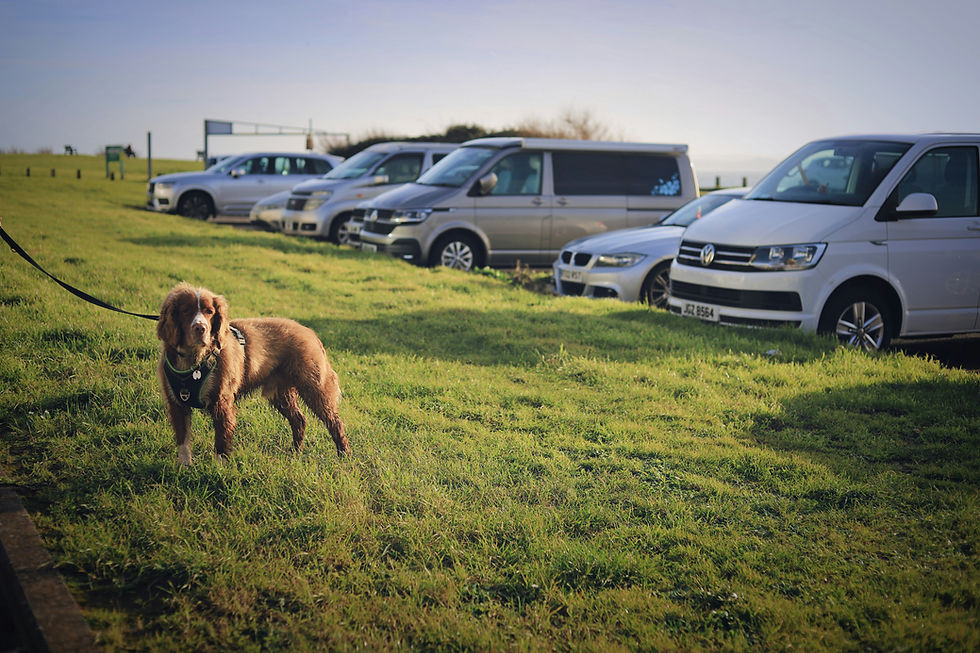
There is something wonderfully effortless about parking near the beach. You step out, hear the water, feel the breeze, and leave the ordinary world behind for a few hours. The car becomes almost invisible—a silent object waiting in the background while you enjoy the coast.
But the environment does not ignore it.
While you are walking along the shoreline, salt-laden moisture may be settling onto the paint, glass, wheels, brakes, fasteners, electrical connections, and exposed surfaces underneath the vehicle. Fine sand may be finding its way into carpet fibers, seat tracks, door seals, ventilation passages, and cargo-area trim. Strong sunlight may be heating the cabin and gradually aging exterior and interior materials.
One afternoon at the beach is unlikely to ruin a healthy modern vehicle. The real issue is repetition.
A car parked beside the ocean every weekend lives a different life from an identical car kept in a dry garage. A vehicle owned in a coastal community faces different ownership conditions from one driven in a mild inland climate. Over several years, those environmental differences can influence appearance, maintenance needs, repair risk, resale condition, and ultimately whether the vehicle remains satisfying to own.
That is why choosing the right car should never begin with horsepower, screen size, or a promotional lease payment. It should begin with a more honest question:
Where will this car actually live?
At WhatCarFitsMe, we believe the environment surrounding your vehicle belongs inside the buying decision. Because the best car is not simply the one you admire in a showroom. It is the one that can absorb the realities of your life—without quietly becoming too expensive, too delicate, or too demanding to enjoy.
Table of Contents
The Beach Is Part of Your Ownership Profile
Most buyers describe their driving in miles.
They drive twelve miles to work. They take two road trips each year. They transport children to school, visit family on weekends, or drive into the city several times a month.
Those details matter, but mileage is only one dimension of use. A complete ownership profile also includes where the car is parked, what it carries, what climate surrounds it, how often it is cleaned, and how consistently the owner performs preventive maintenance.
Consider two people who each drive 10,000 miles annually.
The first parks in a covered inland garage, drives mainly on paved suburban roads, and washes the vehicle regularly. The second lives three blocks from the ocean, parks outdoors, carries surfboards and wet equipment, and leaves the car exposed to coastal air throughout the year.
Their odometers may look identical. Their vehicles may not age identically.
AAA notes that moisture combined with ocean air can contribute to rust, corrosion, and hidden mechanical problems, particularly in vulnerable areas such as the underbody, brakes, exhaust components, and electrical connections. Allstate similarly advises that salty air and other coastal environmental conditions may cause or accelerate vehicle corrosion.
This does not mean coastal residents should expect their cars to deteriorate rapidly. Modern vehicles generally offer better paint systems, galvanized materials, protective coatings, and corrosion resistance than cars from earlier decades. Consumer Reports observes that modern metals are more rust-resistant, making corrosion and body integrity less problematic than they once were.
But “more resistant” does not mean “immune.”
Coastal exposure should therefore be treated as a cumulative ownership factor—similar to short-trip driving, severe winters, extreme heat, unpaved roads, or long periods of outdoor parking.
The buyer who recognizes that factor early can choose more intelligently. The buyer who ignores it may unknowingly select a vehicle that demands a level of care, expense, or cosmetic tolerance that does not match their habits.
How Parking Near the Beach Affects a Car
The beach does not attack a vehicle through one dramatic event. It works through a collection of smaller exposures.
Salt, moisture, sand, heat, sunlight, wind, and occasional contact with seawater each create a different type of stress. Their combined effect depends on proximity to the water, prevailing winds, humidity, parking duration, maintenance frequency, vehicle age, prior damage, and the quality of the car’s existing protective finishes.
Salt and moisture encourage corrosion
Corrosion requires the right conditions. Metal, oxygen, and moisture can initiate oxidation; chloride contamination can accelerate the process by interfering with protective surface layers and promoting localized corrosion.
At the beach, microscopic salt particles can travel through spray, mist, and wind. They may settle onto visible bodywork, but they can also reach less obvious areas: suspension hardware, subframes, brake components, exhaust systems, wheel hubs, seams, brackets, fasteners, and electrical grounds.
The undercarriage deserves particular attention because it contains exposed components that buyers rarely inspect closely. AAA warns that salt and moisture can corrode metal underneath a vehicle and recommends washing vulnerable areas rather than concentrating exclusively on visible paint.
A clean hood can create the impression of a well-protected vehicle while corrosion develops underneath. That disconnect is especially important when evaluating a used car from a coastal area.
Paint damage can become an entry point
Factory paint is a protective system, not merely decoration. Its layers help isolate body panels from moisture and contaminants.
When that system is intact, it offers substantial protection. When stone chips, scratches, poorly repaired collision damage, worn edges, or exposed metal are present, coastal contaminants have a more direct path to vulnerable material.
This means the most important paint defect near the beach may not be the largest one. A small chip that reaches bare metal can matter more than a broad superficial swirl in the clear coat.
Owners sometimes delay repairing minor chips because the vehicle still looks presentable from several feet away. Yet coastal ownership rewards early intervention. A modest touch-up today can prevent a more involved repair later.

Sand behaves like an abrasive
Sand is less chemically threatening than salt, but it creates its own ownership burden.
Windblown grains can settle on paint and glass. Dragging a dry towel, brush, car cover, or hand across a sandy surface may produce fine scratches. Sand trapped beneath footwear can grind into carpets and floor mats. It can accumulate around seat rails, cargo trim, door sills, convertible mechanisms, weather seals, and drainage channels.
The mistake is rarely the presence of sand itself. The mistake is removing it aggressively.
Rubbing, wiping, or using automatic brushes on a contaminated surface may move abrasive particles across the finish. Consumer Reports notes that automated wash brushes can damage paint by grinding in grime and recommends touchless washes as a gentler alternative, although they may not clean as thoroughly.
Near the coast, removal technique becomes part of vehicle preservation. Loose material should be rinsed away before contact washing. Interior sand should be vacuumed rather than pushed deeper into seams with a cloth.
Sunlight ages what salt does not
Beach parking often means exposure to strong, unobstructed sunlight. The vehicle may sit in an open lot with little shade while heat builds inside the cabin.
Over time, ultraviolet exposure and repeated heating can contribute to fading, discoloration, drying, cracking, adhesive deterioration, and aging of rubber or plastic materials. Dark interiors may become uncomfortable more quickly, while delicate trim and high-gloss surfaces may require greater care.
This is not an argument against premium interiors. It is an argument for honest fit.
A buyer who parks beside the beach twice a year can reasonably prioritize appearance with little concern. A buyer who parks outdoors near the coast every day should think carefully about whether a highly delicate cabin, elaborate brightwork, soft exterior trim, or cosmetically unforgiving finish aligns with their maintenance habits.
Luxury is most rewarding when it can be used without constant anxiety.
Saltwater contact is different from salty air
Routine coastal exposure should not be confused with direct saltwater flooding.
Salt air gradually increases contamination and corrosion risk. Saltwater intrusion can rapidly affect wiring, electronic modules, connectors, bearings, interior materials, lubricated components, safety systems, and high-voltage equipment.
AAA describes floodwater as a corrosive and abrasive mixture that can reach seams and crevices, with saltwater from coastal storm surges increasing the possibility of expensive damage. Consumer Reports warns that corrosion from flooding may take months or years to affect vital electronics.
A car exposed to ocean flooding should therefore be treated as a potential safety and financial problem—not simply a vehicle that needs detailing.
NHTSA also advises special caution with flood-damaged hybrid and electric vehicles because damaged high-voltage systems may present electrical and fire hazards.
Frequency Matters More Than the Occasional Beach Day
A common ownership mistake is thinking in absolutes.
“Beach parking is bad for cars” is too simplistic.
So is “modern cars do not rust anymore.”
A more useful assessment considers exposure intensity.
An inland owner who parks at the beach for four afternoons each summer has a very different risk profile from a coastal resident whose vehicle remains outdoors every night. Similarly, someone who rinses the car after prolonged exposure is not operating under the same conditions as an owner who allows salt and sand to remain for weeks.
Think of beach exposure in four practical tiers:
Occasional exposure: A few recreational visits each year. Normal cleaning and prompt removal of visible sand or salt residue will usually be sufficient.
Regular seasonal exposure: Weekly beach visits during warmer months. The buyer should budget for more frequent exterior cleaning, underbody rinsing, interior vacuuming, and inspection of chips or scratches.
Continuous coastal exposure: The vehicle lives or works near the ocean. Corrosion prevention, covered parking, inspection discipline, protective treatments, and condition-aware purchasing become materially more important.
Storm or seawater exposure: The vehicle encounters flooding, tidal water, or storm surge. Professional evaluation becomes essential, and the possibility of serious hidden damage must be taken seriously.
This tiered view prevents both complacency and unnecessary fear.
The objective is not to convince people living near the beach to buy an indestructible utility vehicle. It is to help them understand what level of ownership effort their preferred vehicle will require.
Parking Near the Beach Should Influence What Car You Buy
The best vehicle for coastal use is not necessarily a specific body style. It is a vehicle whose condition, construction, complexity, cost, and purpose align with the owner’s actual exposure and behavior.
Start with condition before category
A well-maintained sedan with intact paint and a clean underbody may be a wiser coastal purchase than a neglected SUV with previous body repairs and developing corrosion.
Buyers often assume rugged styling equals environmental durability. It does not.
Black cladding, roof rails, all-terrain tires, and elevated ride height may suit beach activities, but they do not automatically indicate superior corrosion protection. The condition of seams, coatings, fasteners, drainage areas, and prior repairs matters more than the image projected by the vehicle.
For used vehicles, obtain a pre-purchase inspection that specifically examines:
The underbody and subframes
Brake and fuel-line condition
Suspension mounting points
Exhaust components and heat shields
Wheel hubs and fasteners
Door bottoms, hatch seams, and drainage holes
Evidence of previous collision or paint repair
Electrical grounds and visible connectors
Signs of water intrusion or persistent moisture
A coastal inspection should not be limited to whether the engine runs smoothly. It should ask how the entire vehicle has interacted with its environment.
Be careful with poorly repaired vehicles
Previous collision damage is especially relevant near the ocean.
A high-quality body repair can restore protection effectively. A low-quality repair may leave inadequate seam sealing, thin paint coverage, exposed edges, trapped moisture, or unprotected internal surfaces.
The risk is not that every repaired vehicle will rust. The risk is that buyers often cannot evaluate repair quality from a polished exterior photograph.
A vehicle-history report can identify certain reported events, but it cannot replace physical inspection. The underside of a repaired panel, the quality of seam sealer, and the condition behind trim may reveal more than the listing description.
For coastal buyers, cheap bodywork can become expensive ownership.
Simpler may be more appropriate—but not always
A basic vehicle can be attractive near the beach because it may involve fewer delicate cosmetic elements, lower replacement costs, and less emotional distress when sand, wet clothing, or equipment enters the cabin.
Yet “simple” should not be confused with “old.”
An older budget car may carry existing rust, deteriorated seals, damaged paint, aging weather stripping, and deferred maintenance. A newer, properly protected vehicle may withstand the environment more effectively despite having more technology.
The right question is not, “Is the car simple?”
It is, “Is the car’s condition and complexity appropriate for what I can afford to maintain?”
Premium vehicles require premium realism
A luxury vehicle can be an excellent coastal car when the owner has suitable parking, cleaning support, and maintenance discipline.
The mismatch occurs when a buyer spends nearly the entire budget on acquisition and leaves nothing for preservation.
Large wheels may be visually appealing but costly to refinish if their coatings deteriorate. Intricate grilles and exterior trim may require more detailed cleaning. Light-colored luxury interiors may make sand and sunscreen residue more visible. Soft-touch cargo materials may be less forgiving of wet equipment than durable rubberized surfaces.
None of these characteristics makes the car a poor choice. They simply belong in the ownership calculation.
Luxury should be selected with enough financial breathing room to remain pleasurable.

A Coastal-Car Buying Matrix
Buying path | Best suited for | Coastal strengths | Main compromise | WhatCarFitsMe perspective |
New mainstream crossover | Families, commuters, regular beach visitors | Modern protective finishes, practical cargo area, manageable maintenance costs | Depreciation and possible overbuying | Often the most balanced path when budget and size are aligned |
Lightly used mainstream sedan or hatchback | Budget-conscious drivers with occasional beach use | Lower purchase price, efficient operation, easy cleaning | Lower clearance and less cargo flexibility | Strong value when condition and inspection history are excellent |
Used premium SUV | Luxury users carrying family or equipment | Comfort, space, refined highway use | Higher cosmetic and component replacement costs | Appropriate only with maintenance reserves and verified condition |
Older low-cost utility vehicle | Surfing, fishing, equipment-heavy use | Low concern about cosmetic wear, practical configuration | Greater likelihood of existing rust and deferred maintenance | Buy on condition, not rugged appearance or low price alone |
Keep the current car and improve protection | Owners whose present vehicle still fits | Avoids transaction costs and unnecessary replacement | Requires disciplined cleaning and inspection | Frequently the smartest financial decision when the car remains reliable |
The matrix reveals an important truth: the answer is rarely “buy the most rugged vehicle.”
Sometimes the right solution is keeping the car you already own and improving how you protect it. Sometimes it is selecting a less expensive trim so that regular detailing and preventive maintenance remain affordable. Sometimes it is avoiding an older vehicle whose low purchase price hides extensive underbody deterioration.
The most intelligent path is the one that protects both the vehicle and the owner’s financial stability.
Budget for the Environment, Not Just the Payment
A vehicle payment is only the visible part of ownership.
Coastal use may add expenses for more frequent washing, underbody cleaning, paint correction, protective coatings, chip repair, interior detailing, replacement floor liners, covered parking, and corrosion-related service.
Individually, these costs may be manageable. Together, they can expose a mismatch between the vehicle and the buyer’s budget.
Imagine a buyer choosing between two used SUVs.
The first costs slightly more but has intact factory paint, complete service history, clean underbody components, and indoor parking history. The second is cheaper but has cosmetic damage, poorly matched paint on one panel, visible oxidation on fasteners, and no documentation of prior repairs.
The lower price may feel financially responsible. Yet the better-condition vehicle could carry lower risk.
Price is what you pay to acquire the car. Condition influences what you may pay to live with it.
At WhatCarFitsMe, affordability is therefore not defined by the maximum amount a lender approves. We look for a comfortable range that leaves room for insurance, fuel or charging, maintenance, registration, parking, emergencies, and the specific realities of the owner’s use.
For a coastal buyer, environmental care belongs in that equation.
A person who can technically make a $700 monthly payment but cannot comfortably afford preventive maintenance may be better served by a $500 payment and a realistic preservation budget. That is not settling.
It is choosing a vehicle that remains enjoyable after the excitement of purchase fades.
Mileage Does Not Tell the Whole Coastal Story
Buyers frequently use mileage as a shorthand for condition.
Lower mileage feels safer. Higher mileage feels riskier.
But mileage cannot explain where a vehicle was stored, whether it was exposed to ocean air, whether drainage channels remained clear, whether paint chips were repaired, or whether the underbody was rinsed.
A five-year-old vehicle with 30,000 miles may have spent most of its life parked outdoors beside the ocean. Another with 60,000 miles may have been garaged inland, driven mostly on highways, and maintained meticulously.
The lower-mileage car is not automatically the better car.
This is why mileage should be interpreted alongside:
Age
Service documentation
Geographic history
Parking conditions
Accident and repair history
Underbody condition
Interior moisture evidence
Number and type of previous owners
Mechanical inspection findings
Mileage expectations also vary across market categories. Buyers may reasonably expect a mainstream, well-maintained vehicle to provide long service, but a high-mileage premium model can involve more expensive component replacement even when the core vehicle remains mechanically sound.
Likewise, an inexpensive older vehicle may appear perfect for beach duty because cosmetic wear feels less consequential. Yet advanced corrosion can transform a low-cost purchase into an unsafe or uneconomical one.
The odometer is evidence. It is not a verdict.
Reliability Near the Coast Is Part Mechanical, Part Behavioral
Vehicle reliability is often discussed as though it were assigned permanently at the factory.
In reality, long-term reliability emerges from the interaction between design, manufacturing, environment, maintenance, driving patterns, repair quality, and owner behavior.
A reliably engineered car can deteriorate through neglect. A merely average vehicle can provide excellent service when maintained carefully and used within conditions it handles well.
Coastal ownership makes behavior especially visible.
The owner who rinses contamination, repairs paint chips, keeps drainage areas clear, and responds quickly to unusual noises or warning lights is reducing risk. The owner who repeatedly loads wet equipment, leaves sand and salt in place, ignores water intrusion, and postpones inspections is allowing small issues to mature.
This does not mean a beach-going buyer needs to become obsessive.
It means the vehicle should match the person.
Someone who dislikes cleaning and never inspects a car should favor forgiving materials, sensible wheel designs, durable cargo surfaces, and a purchase price that makes professional care affordable.
Someone who enjoys detailing may be comfortable with a more cosmetically demanding vehicle.
The correct match is behavioral as much as mechanical.
Early-Generation Vehicles Add Another Layer of Risk
A newly redesigned vehicle can be exciting. It may offer a fresher design, improved technology, greater efficiency, or features unavailable in the outgoing model.
It can also introduce uncertainty.
First-year or early-generation vehicles sometimes experience software, assembly, sealing, trim, electrical, or component issues that manufacturers refine in later production. This does not make every redesign unreliable, nor does it mean buyers should categorically avoid new platforms.
But a conservative buyer—particularly one facing demanding environmental exposure—may prefer a mature model year with established service information and known ownership patterns.
Near the coast, weather sealing, drainage performance, connector protection, body assembly quality, and repair accessibility matter. A proven platform may provide more confidence than an untested redesign, especially for buyers planning long ownership.
WhatCarFitsMe generally favors evidence over novelty when the user’s priorities are reliability, predictable cost, and low ownership stress.
The newest choice is not always the most intelligent choice.

Practical Protection After Parking Near the Beach
Choosing well is only half the strategy. The other half is preserving what you own.
Rinse before rubbing
When visible salt or sand is present, begin with fresh water. Rinsing loose contamination reduces the chance of dragging abrasive particles across the finish.
AAA recommends flushing accumulated salt with clean water and using an undercarriage wash to remove salt and other corrosive materials.
Avoid immediately wiping a dry, sandy surface with a towel.
Clean the underbody
Many owners wash the panels they can see and overlook the areas where damage may become more consequential.
An underbody rinse helps remove contamination from suspension components, brackets, seams, and structural areas. The appropriate frequency depends on exposure. A vehicle that lives beside the ocean deserves more frequent attention than one that visits occasionally.
Repair chips promptly
Inspect leading edges, wheel arches, door edges, roof sections, and lower body panels. When paint damage reaches metal, use an appropriate repair process before corrosion spreads beneath the surrounding finish.
Vacuum rather than sweep
Use a vacuum with suitable attachments around floor mats, cargo areas, seat rails, seams, and door pockets. Remove mats before cleaning so that trapped moisture and sand do not remain hidden underneath.
Protect the cabin from wet equipment
Use removable liners, washable mats, cargo trays, seat protection, or sealed storage containers for wet clothing and beach equipment. Allow damp items to dry rather than leaving them inside a closed vehicle.
Persistent moisture can produce odors, staining, material deterioration, and electrical concerns if it reaches the wrong areas.
Inspect rather than assume
During routine service, ask the technician to look specifically for developing corrosion, loose shields, damaged coatings, compromised fasteners, blocked drains, and evidence of water entry.
A vague request to “check everything” is less useful than a precise request based on the car’s environment.
When Covered Parking Is Worth Paying For
Paid or covered parking can feel like an avoidable luxury. In some coastal situations, it may be a rational preservation expense.
Covered parking can reduce direct sun exposure, windblown sand, salt deposition, bird contamination, tree residue, and weather-related wear. A fully enclosed garage provides more protection than a roof-only structure, although ventilation and moisture control still matter.
The economic decision depends on:
The value and condition of the vehicle
How long you expect to keep it
The cost difference between parking options
How close the location is to the ocean
Whether the car is used daily or occasionally
The availability and cost of cleaning
Your tolerance for cosmetic deterioration
Paying a substantial monthly premium to protect an inexpensive, short-term vehicle may not make sense.
Paying a modest premium to preserve a high-value vehicle intended for long ownership may be entirely reasonable.
Again, context—not status—should determine the answer.
The Used Coastal Car Question: Walk Away or Inspect More Carefully?
A vehicle from Florida, coastal California, the Carolinas, Hawaii, the Gulf Coast, or any other ocean-adjacent area should not automatically be rejected.
Geography is a clue, not a diagnosis.
Many coastal vehicles are meticulously maintained and stored indoors. Many inland vehicles have endured winter road salt, flooding, poor repairs, or neglect. A location on a history report cannot establish condition by itself.
However, buyers should investigate more deeply when a used vehicle has spent substantial time near the coast.
Look for inconsistent corrosion patterns. New-looking paint beside heavily oxidized fasteners may suggest repair or replacement. Fresh undercoating applied immediately before sale may be legitimate protection—or it may obscure existing deterioration. Musty odors, tide marks, sediment beneath carpeting, fogged lamps, corroded seat hardware, or electrical irregularities may justify further investigation for water exposure.
NHTSA encourages consumers considering used vehicles after floods or hurricanes to obtain a vehicle-history report and have the vehicle inspected by a qualified mechanic.
No single sign proves flood damage. The assessment should consider the pattern as a whole.
A good inspection can support a purchase. An uncertain inspection should support restraint.
There will always be another car.
The Psychological Trap: Buying a Beach Identity
Cars are emotional objects.
A coastal lifestyle can create a powerful image of what one “should” drive: a large SUV, an off-road vehicle, a convertible, a vintage truck, or an expensive luxury model that seems to belong beside an oceanfront home.
The image may be appealing. But aspiration becomes expensive when it overrides use.
A buyer may choose a large off-road SUV for the idea of beach adventure, even though the vehicle will remain on paved roads, carry one person most days, consume more fuel, cost more to insure, and barely fit into the available parking space.
Another may select a low convertible for weekend enjoyment, then discover that limited cargo space, fabric-roof care, windblown sand, and daily commuting compromises make the ownership experience less romantic than expected.
The goal is not to remove emotion from buying a car. Emotion is part of the value.
The goal is to ensure the emotional reward survives real life.
Ask yourself:
Am I buying for what I regularly do or what I imagine doing?
How often will the vehicle actually visit the beach?
Will I transport wet, sandy, or bulky equipment?
Do I have covered parking?
Will I personally maintain the car, or must I pay someone?
Would cosmetic wear bother me?
Can I afford the vehicle and preserve it properly?
Will its size and operating cost still make sense away from the coast?
The answers may still lead to the aspirational vehicle. But now the decision is conscious rather than symbolic.
What Different Coastal Owners Actually Need
The family making summer beach trips
A family may benefit from washable seating surfaces, practical cargo space, rear air vents, durable floor protection, easy child-seat access, and enough payload for passengers and equipment.
The best match may be a mainstream crossover or minivan—not because those categories are glamorous, but because they reduce friction.
The right vehicle should make the day easier before and after the beach.
The daily coastal commuter
This owner needs reliability, efficient operation, good climate control, manageable cleaning, and protection from continuous outdoor exposure.
A compact sedan, hatchback, hybrid, or small crossover may be more sensible than a large SUV. Proximity to the ocean does not automatically create a need for four-wheel drive or substantial ground clearance.
The surfer, angler, or equipment-heavy user
Cargo length, roof-load capability, durable trim, towing requirements, washable liners, and secure equipment storage become important.
A lower-value used vehicle may be appropriate, but only when corrosion and structural condition are carefully verified. “I do not care if it gets scratched” should never become “I do not care if it is unsafe.”
The luxury coastal resident
Comfort, refinement, privacy, design, and performance may be legitimate priorities. The buyer should also consider garage access, wheel and trim complexity, local service availability, paint-care support, and a maintenance reserve proportionate to the vehicle.
The objective is not merely to afford the purchase. It is to afford effortless ownership.
The budget-conscious occasional visitor
This buyer may need no special vehicle at all.
A reliable existing car, equipped with durable mats and cleaned after beach visits, may be the financially strongest answer. Replacing a suitable vehicle solely because of occasional coastal exposure can create far more cost than the environment itself.
The Right Car Is the One That Ages Gracefully in Your Life
A vehicle does not exist in a specification sheet.
It sits outside your home. It absorbs the climate. It carries your children, pets, luggage, groceries, tools, wet towels, coffee, anxiety, ambitions, and ordinary routines. It reflects not only what you can buy, but what you are willing and able to care for.
Parking near the beach reminds us that vehicle fit is environmental.
The most suitable car may not be the largest, newest, toughest-looking, or most prestigious option. It may be the one with the right combination of condition, materials, reliability, purchase price, cargo usability, maintenance needs, and emotional value.
That is the difference between choosing a car and matching a car.
At WhatCarFitsMe, we look beyond body style and monthly payment. We help buyers consider where the vehicle will live, how it will be used, what ownership will realistically cost, and which compromises they can comfortably accept.
Because the right vehicle should not merely look perfect beside the ocean.
It should still feel right years later—when the novelty has faded, the payments are familiar, and real life has left its mark.
Ready to understand how parking near the beach, your budget, your driving habits, and your long-term ownership plans should influence your next vehicle? Try WhatCarFitsMe and compare the options that genuinely fit your life.
FAQ: Parking Near the Beach
Does parking near the beach damage your car?
Occasional beach parking is unlikely to cause immediate damage to a well-maintained modern car. Repeated exposure to salt-laden moisture, sand, sunlight, and humidity can accelerate corrosion, cosmetic wear, and material aging, particularly when contamination is not removed regularly.
How close to the ocean does salt air affect cars?
There is no universal distance at which salt exposure begins or ends. Wind direction, humidity, elevation, weather, vegetation, buildings, and direct ocean spray all influence how much salt reaches a vehicle. Cars exposed to visible spray or parked outdoors continuously near the coast deserve more frequent inspection and cleaning.
Should I wash my car after parking at the beach?
After significant exposure to ocean spray, salt residue, or windblown sand, rinsing the vehicle with fresh water is sensible. Remove loose sand before using a cloth or wash mitt, and include the undercarriage when exposure is frequent.
What part of a car is most vulnerable near the ocean?
The underbody, suspension hardware, brake components, exhaust system, wheel hubs, seams, fasteners, paint chips, electrical grounds, and exposed connectors deserve attention. Damage may develop in areas that are not visible during an ordinary exterior wash.
Are SUVs better for parking near the beach?
Not automatically. An SUV may provide useful cargo capacity and ground clearance, but rugged styling does not guarantee better corrosion resistance. Condition, protective finishes, maintenance history, interior practicality, and actual driving requirements matter more than vehicle category alone.
Should I avoid buying a used car from a coastal area?
No. A coastal history should lead to a more thorough inspection, not automatic rejection. Verify the underbody, paint repairs, drainage areas, electrical condition, interior moisture evidence, and possible flood exposure before making a decision.